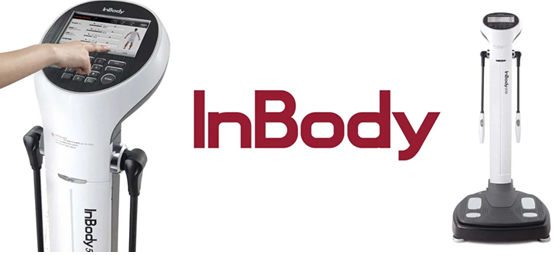
Scanning is a quick, non-invasive test that measures your body composition—breaking down muscle, fat, water, and visceral fat to give a precise picture of your health. At TheLIA, we use it to track your progress and personalize your nutrition, exercise, and longevity plan far
beyond what a scale or BMI can show.
What InBody Testing Offers
2-minute test
Get a full breakdown of your fat mass, muscle mass, and body water in under a minute. No water immersion. No skinfold pinching. No discomfort. Simply step onto the device and hold the hand electrodes for fast, easy results.
No Estimations
Your results are determined using bioelectrical impedance analysis (BIA), which sends a safe, low-level electrical current through electrodes on your hands and feet to directly measure body composition. Unlike other methods, no age- or gender-based predictive equations are used to estimate your results.
Take Control of Your Health
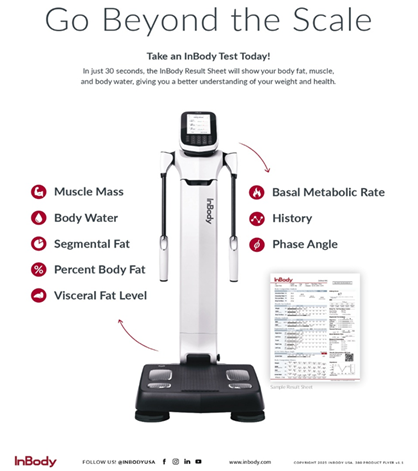
InBody provides precise measurements of your body composition, including skeletal muscle mass, body fat percentage, body fat mass, basal metabolic rate, muscle balance and distribution (helpful for injury prevention and athletic performance), and visceral fat levels. Track changes over time to evaluate the effectiveness of your exercise and nutrition programs and support long-term success.
Guidelines for Testing
To ensure the most accurate results, follow a few simple pre-test guidelines: avoid eating and exercising for at least 3 hours before your appointment, and stay well hydrated the day prior. For consistency, schedule each scan at the same time of day—ideally, first thing in the morning on an empty stomach. Be sure to review and follow the Preparing for Your InBody Test Guidelines before your appointment.
Why Are InBody Results Important?
- Monitoring body fat mass is essential for assessing overall health status and identifying potential risk factors associated with excess adiposity.
- Protein levels are closely associated with intracellular water balance; low protein measurements may suggest inadequate nutritional intake or compromised nutritional status.
- Increases in skeletal muscle mass resulting from exercise and dietary interventions are among the most reliable indicators of positive health adaptation.
- Insufficient muscle mass has been correlated with an elevated risk of developing chronic clinical conditions.
- Tracking changes in body composition over time provides objective data to assess treatment effectiveness and determine whether adjustments to nutrition, exercise, or medical management plans are necessary.